
In partnership with


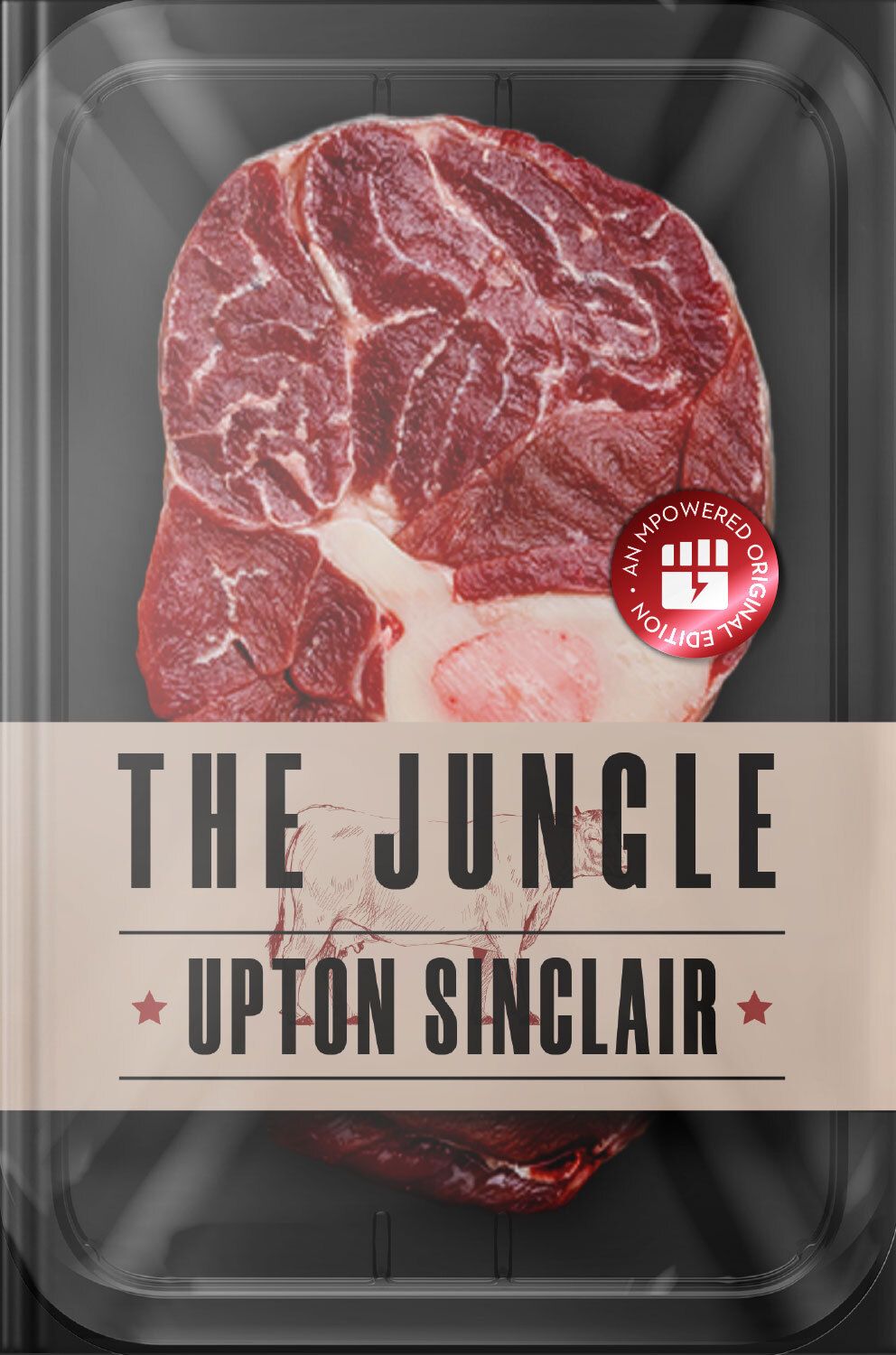
Original Title: The Jungle
Author: Upton Sinclair
Genres: Fiction, Political Fiction
Publisher: MPOWERED eBooks
Formats included: ePub, AZW3, mobi, PDF
The Book That Changed American Food Forever: Why You Need to Read The Jungle
Some books entertain. Some books educate. And then there are the rare books that literally change laws, reshape industries, and force an entire nation to confront uncomfortable truths. Upton Sinclair's The Jungle is one of those books—and more than a century after its publication, it remains as relevant and necessary as ever.
The Story Behind the Story
In 1904, Upton Sinclair spent seven weeks undercover in Chicago's meatpacking plants, documenting the brutal conditions faced by immigrant workers. What he witnessed became The Jungle, published in 1906 as both a novel and an explosive piece of investigative journalism. Sinclair's goal was to expose the exploitation of workers trapped in a system designed to extract maximum profit from their labor while giving them minimum dignity, safety, or hope.
The American public had a different reaction. While Sinclair wanted readers to care about the human cost of unchecked capitalism, what actually sparked outrage were his graphic descriptions of unsanitary meat processing—diseased animals, contaminated products, and horrifying adulterants making their way onto dinner tables across America. Within months, President Theodore Roosevelt ordered an investigation, and by June 1906, Congress had passed both the Pure Food and Drug Act and the Meat Inspection Act.
Sinclair famously lamented, "I aimed at the public's heart, and by accident I hit it in the stomach." But that "accident" proved literature's power to create tangible change—even if not always in the way the author intended.
What Makes The Jungle Essential Reading
At its core, The Jungle follows Jurgis Rudkus, a Lithuanian immigrant who arrives in Chicago with his family, full of optimism and faith in the American Dream. He finds work in the meatpacking district, determined to build a better life through hard work and perseverance. What follows is a systematic destruction of that dream—through workplace injuries, predatory loans, political corruption, and a system designed to keep workers desperate and powerless.
Sinclair's prose doesn't flinch. He takes readers onto the killing floors, into overcrowded tenements, through the machinery of exploitation that ground up human beings as efficiently as it processed meat. The novel is graphic, relentless, and often difficult to read—but that's precisely the point. Sinclair understood that comfortable readers don't demand change. Only when we're forced to confront the human cost of our comfort do we find the will to act.
Beyond its historical impact, The Jungle remains urgently relevant. The questions it raises about workers' rights, corporate power, immigrant exploitation, and the true cost of cheap goods echo through our modern economy. Replace meatpacking plants with Amazon warehouses or gig economy platforms, and Sinclair's critiques feel startlingly contemporary.
Realtime User Onboarding, Zero Engineering

Quarterzip delivers realtime, AI-led onboarding for every user with zero engineering effort.
✨ Dynamic Voice guides users in the moment
✨ Picture-in-Picture stay visible across your site and others
✨ Guardrails keep things accurate with smooth handoffs if needed
No code. No engineering. Just onboarding that adapts as you grow.
Free eBook Download
Formats included: ePub, AZW3, mobi (Kindle), and PDF
